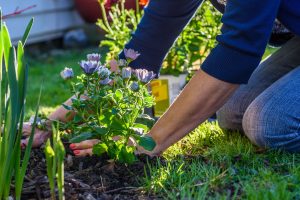
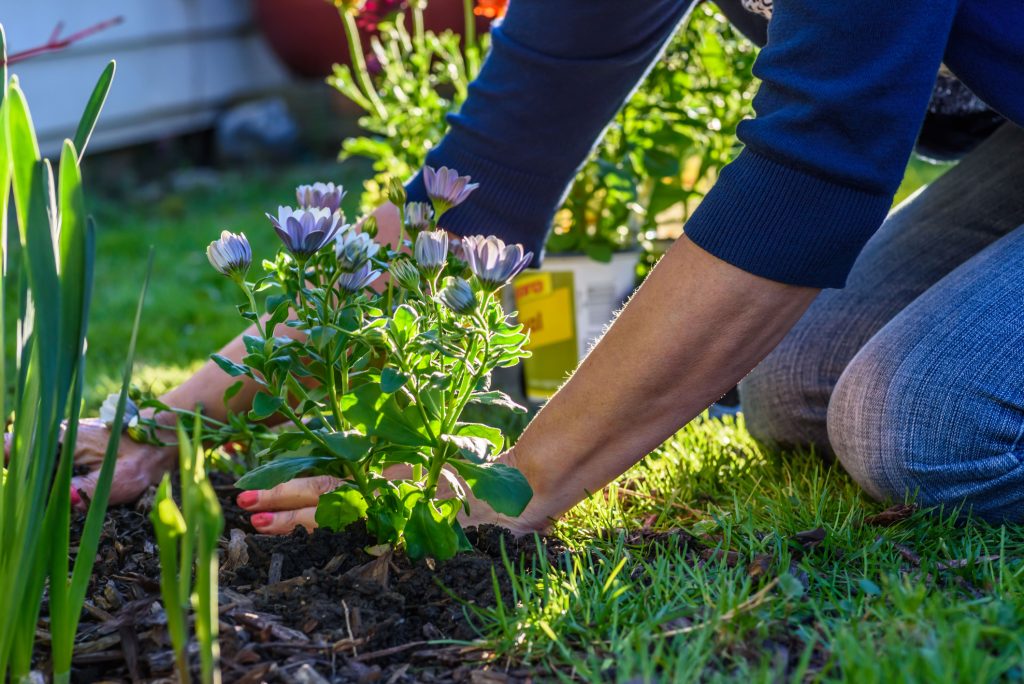
As winter slowly releases its icy grip and the first signs of warmth creep in, every gardener feels that familiar itch—the longing to dig, plant, and nurture once again. With the arrival of spring comes the inevitable gardening To-Do list. On most gardeners’ list is mulching. While some see mulch simply as a decorative layer of wood chips, seasoned gardeners know it’s so much more. It can be a vital component to a healthier, more thriving garden.
Benefits of Mulching
Mulch is a garden hero in disguise! Here are some key benefits every gardener should know:
- Water Conservation: Mulch helps the soil retain water by reducing water evaporation by up to 75%, ensuring your plants stay hydrated even on the hottest days.
- Temperature Regulation: Mulch can be vital to protecting plants from temperature extremes. During winter, it acts like a cozy blanket against temperature fluctuations when soil can be prone to freezing and thawing. In the heat of summer, mulch shades the soil keeping the soil cooler and roots happier.
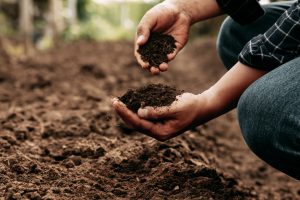
- Nutrient Boost: As mulch breaks down, it adds organic matter to the soil, enriching it over time.
- Weed Suppression: A mulch layer blocks sunlight, helping to keep weeds in check.
- Erosion Prevention: Mulch holds soil in place, preventing erosion caused by rain or wind.
Organic vs. Inorganic Mulches
When it comes to mulch materials, there are both organic and inorganic options. Organic mulch is the most popular kind of mulch and has all the benefits previously stated. Organic mulches include bark, wood chips, leaves, grass clippings, and even compost.
Some examples of inorganic mulches are rock, gravel, and plastic. While inorganic options might last longer, they come with some drawbacks. They can heat up too quickly, don’t provide any nutritional value, and hinder the infiltration of water and oxygen to the soil, both of which are important for plants and the soil’s microbiome. Despite the belief they are weed-free, weeds will find a way! With plastic, there is the added issue of the environmental impact.
Mulching Tips for Success
Here are a few mulching tips for best results:
- Fertilize First: Add a nitrogen fertilizer before you mulch. Nitrogen will temporarily become limited in the soil as soil microorganisms begin to break down any organic based mulch. The microorganisms will initially compete with plants for nitrogen potentially creating some nutrient deficiency.
- Perfect Thickness: Apply mulch about 1-3 inches thick. Mulch may need to be replenished annually depending on the rate of decomposition.
- Avoid the Crown: Don’t apply mulch directly against the base of plants or trees which can retain excess moisture and favor diseases like crown rot. This can also serve as lodging for rodents prone to chewing bark and stems.
- Water After Application: After installation, give the mulch a good watering so it doesn’t draw water up from the soil.
Common Mulching Mistakes
Avoid these common mulching blunders:
- Too Much Mulch: Applying mulch too thickly blocks water infiltration, keeps the soil continuously wet, and hinders oxygen to the plants.
- Mulch Volcanoes: The dreaded mulch volcano is when you have mulch at the base of trees piled high above the crown in the shape of a volcano. This can often be seen in commercial parking lots. Not only is this unappealing, but as mentioned above, you should avoid touching the crown with mulch due to moisture issues.
- Herbicide Treated Grass Clippings: Never use herbicide treated grass clippings as mulch as the herbicide may remain active and damage plants.
- Weed Seeds: Avoid any mulch that could potentially have weed seed to prevent unwanted plants in your garden.
- Late Fall/Early Winter Mulching: Wait until after a few killing frosts to mulch. Applied too early, the warmth created by the mulch could promote new growth only to be damaged by subsequent frosts.
- Dyed Mulch: Refrain from mulch with a coloring agent unless you are sure it’s from a reputable source. These mulches are often made from recycled discarded wood, tend to decompose faster, and can contain harmful substances.
Mulching for Natural, Wildlife-friendly Gardens
Can mulch be used in a naturalistic garden? Absolutely! More and more gardeners are looking to create a more natural looking garden, and mulch can still be a part of it. I would just avoid any mulches with unnatural colors…I’m looking at you black and red dyed mulch users! Consider using leaves and other plant material for a more eco-friendly and cost-effective way to mulch your garden while also providing shelter for wildlife. Well-known entomologist, Dr. Doug Tallamy, promotes using living mulch, groundcovers that fill in empty spaces and provides a soft landing for caterpillars and other critters, especially at the base of trees. He promotes this concept as crucial to building biodiverse gardens.
Mulching is one of the simplest, yet most effective ways to improve the health of your garden. Whether you’re aiming for a more resilient, water-efficient landscape or simply want to reduce the time spent weeding, make sure to add mulching to your gardening To-Do list. So, grab your gloves and get mulching. You’ll see your garden transform into a thriving, beautiful oasis!